

In today’s fast-paced business landscape, effective communication is the backbone of success. As of 2026, Voice over Internet Protocol (VoIP) has become the go-to solution for modern enterprises, powering everything from daily calls to global collaborations. With the global VoIP market valued at over $160 billion in 2025 and projected to grow rapidly, it’s no surprise that 78% of enterprises, even large enterprises, have already adopted VoIP systems. Unlike traditional phone lines, VoIP transmits voice and video over the internet, offering unmatched efficiency and innovation.
Here are the 7 core advantages that make VoIP indispensable for businesses and enterprises.
Table of Contents
Does VoIP Reduce Communication Expenses?
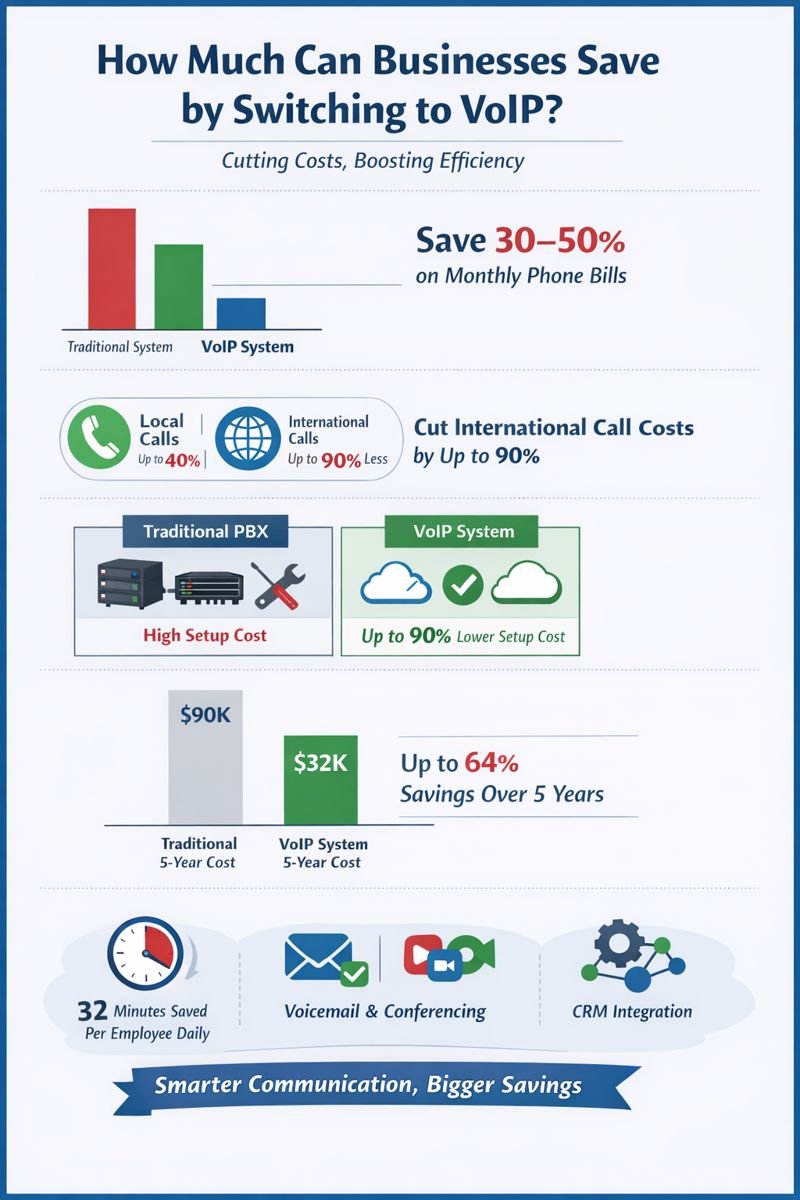
Yes. One of the most compelling reasons businesses switch to VoIP is the dramatic cost savings. Traditional phone systems come with high hardware costs, maintenance fees, and expensive long-distance charges. VoIP eliminates much of this overhead by using your existing internet connection.
Studies show that companies switching to VoIP can reduce monthly phone bills by 30% to 50%, with some reporting savings up to 75%. For a small to medium enterprise, this translates to thousands of dollars saved annually—no more paying for separate lines or costly hardware. International calls become virtually free, and cloud-based VoIP plans often start at ₹1,500–₹5,000 INR per user per month.
VoIP Enhances Scalability and Flexibility
Growing businesses need communication systems that adapt quickly. Traditional setups require physical installations for new lines, which can be time-consuming and expensive. VoIP, however, scales effortlessly—add or remove users with a few clicks in your admin portal.
Whether you’re expanding to new offices or downsizing, VoIP grows with you without major infrastructure changes. This flexibility is ideal for seasonal businesses or startups experiencing rapid growth.
Empower Employees to Work from Anywhere
The rise of remote and hybrid work has made mobility a top priority. VoIP empowers employees by allowing them to use their business number on any device—laptop, smartphone, or tablet—from anywhere with internet access.
No more missed calls when working from home or traveling. Features like call forwarding and mobile apps ensure seamless connectivity, boosting employee satisfaction and work-life balance.

This remote-friendly approach has helped enterprises maintain productivity during global shifts to distributed teams.
Enquire About VoIP Systems
Advanced Features That Boost Productivity
VoIP goes beyond basic calling with a suite of built-in tools that enhance daily operations. Expect HD voice quality, voicemail-to-email transcription, auto-attendants, call recording, and queue management—all often included at no extra cost.
These features reduce manual tasks, like transcribing voicemails or routing calls, freeing up time for high-value work. Businesses report significant productivity gains as employees handle communications more efficiently.
Improved Collaboration with Integrated Video and Conferencing
Modern VoIP systems seamlessly integrate video calling, screen sharing, and team conferencing, turning simple phone systems into powerful collaboration platforms.
Face-to-face interactions build stronger relationships, reduce misunderstandings, and accelerate decision-making—especially for remote teams. Unlimited conferencing rooms and guest links make hosting client meetings effortless.

In 2026, this integration is a game-changer for hybrid workplaces.
Enhanced Security Features to Protect Business Communications
Security concerns are valid with internet-based systems, but today’s VoIP providers prioritize robust protection. Features include end-to-end encryption (SRTP and TLS protocols), fraud detection, real-time monitoring, secure firewalls, and multi-factor authentication.
Reputable providers comply with standards like GDPR and HIPAA, offering automatic updates to patch vulnerabilities. When implemented correctly, VoIP is often more secure than traditional lines, which lack built-in encryption.
Easy Integration with Existing Business Tools and Software
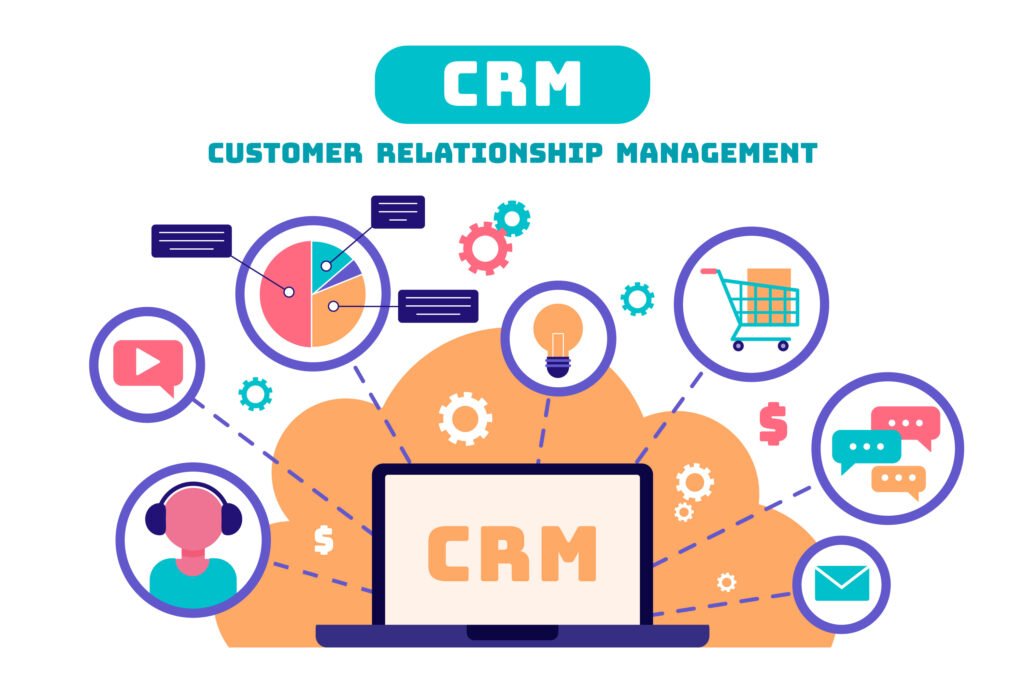
VoIP shines in its ability to connect with your tech stack. Integrate seamlessly with CRM platforms like Salesforce or Zendesk, Microsoft Teams, Google Workspace, or email systems for click-to-call, automatic call logging, and customer data pop-ups.
This unification streamlines workflows—sales teams access caller history instantly, support agents resolve issues faster—driving better customer experiences and efficiency.
Conclusion
Switching to VoIP is a strategic move for cost savings, flexibility, and advanced capabilities to propel your business forward in 2026. From reducing expenses by up to 50% to enabling seamless remote work and secure integrations, these 7 core advantages position VoIP as the future of enterprise communication.
Ready to modernize your systems and unlock these benefits? Contact our experts at Electrocore Systems today to discuss your specific VoIP system requirements. We’ll tailor a solution that fits your business perfectly—schedule a free consultation now!
Enquire About VoIP Systems
Frequently Asked Questions
The most important and immediate benefit is a lot of cost savings.
VoIP gets rid of expensive hardware, separate phone lines, and high charges for long-distance or international calls by using your existing internet connection. Businesses often cut their monthly phone bills by 30–50% (sometimes up to 75%), with international calls becoming almost free. Cloud-based plans begin at around ₹1500–₹5000 per user per month. This helps companies save money that can be used for growth, as mentioned in the blog.
VoIP lets employees use their business phone number on any device that can connect to the internet—like laptops, smartphones, or tablets—no matter where they are.
Features such as call forwarding, mobile apps, and smooth connectivity help make sure calls aren’t missed when working remotely or traveling. This flexibility improves employee satisfaction, work-life balance, and productivity, making it perfect for teams that work from different locations in 2026.
Yes, VoIP includes a variety of advanced, often built-in features that traditional systems either charge extra for or don’t have at all. These include clear voice quality, voicemail sent to email, automatic receptionists, call recording, call queues, and more. By making routine tasks easier and workflows smoother, VoIP greatly increases team productivity and efficiency.
Modern VoIP systems are very secure when set up properly.
They use end-to-end encryption (with SRTP and TLS protocols), detect fraud, offer real-time monitoring, use secure firewalls, and include multi-factor authentication. Many providers also help businesses follow rules like GDPR and HIPAA through regular updates. In fact, VoIP can be more secure than traditional phone lines, which usually don’t have built-in encryption.
Integration is one of the biggest strengths of VoIP for businesses.
It works well with popular platforms such as Salesforce, Zendesk, Microsoft Teams, Google Workspace, and email systems. This helps features like clicking to make a call, automatically logging calls, showing customer data, and creating unified workflows—making operations smoother, improving customer experiences, and increasing efficiency across different departments like sales and support.