

In today’s fast-paced business world, enterprise networking solutions are the foundation of how companies operate.
With remote work, artificial intelligence applications, and growing cyber threats becoming everyday realities in 2026, businesses need networks that are not only dependable but also smart, secure, and flexible. A strong network can boost productivity, cut downtime, and encourage innovation, while a weak one can lead to expensive problems. This blog covers the key features to look for in enterprise networking solutions, based on current trends to help IT leaders make smart choices. Whether you’re expanding your business or strengthening your security, these features help ensure your network stays ahead of the curve.
Table of Contents
AI-Powered Automation and AIOps Integration

One of the biggest changes in modern enterprise networking is the use of AI for automation, commonly called AIOps (AI for IT Operations).
This goes beyond simple scripts to include predictive analysis, automatic problem solving, and self-healing networks. In 2026, more companies are adopting tools that use machine learning to watch traffic, find issues early, and use resources efficiently in real time. For example, AIOps can save a lot of time on basic support tasks, letting network engineers work on more important AI projects. This is especially important in hybrid setups where managing everything manually is too slow.
Using AIOps means connecting AI tools that gather data from network devices, endpoints, and cloud services.
The benefits include finding and fixing problems faster—often before users even notice—and saving money equivalent to a small part of an engineer’s salary through ongoing license fees that now come with better services, like 24/7 support. Without this, networks can become slow in AI-driven work, where fast data collection and quick responses are needed.
Secure Access Service Edge (SASE)

SASE has gone from being a trend to a must-have, combining networking and security into a single cloud-based service.
This feature brings together wide-area networking (WAN) with security tools like firewalls, secure web gateways, and zero-trust access, all managed from one place. In 2026, with remote work still common, SASE is becoming more accepted by shifting money from physical hardware to cloud-based expenses.
The main benefits include better performance for users working from home by sending data through smart cloud points instead of back to a central data center.
It also helps with meeting regulations and works well with multiple cloud setups. Enterprises need SASE solutions that can handle growing numbers of IoT devices and AI tasks, ensuring security moves with data wherever it goes. Without SASE, companies risk having scattered security, making them more likely to be attacked in spread-out environments.
Zero Trust Architecture (ZTA)
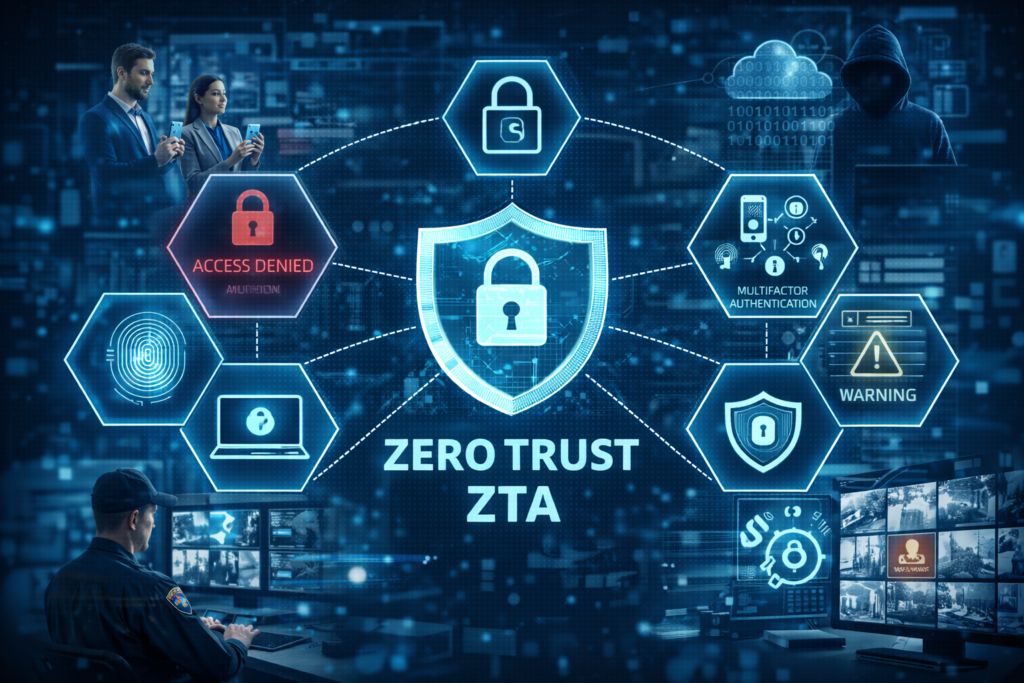
Zero Trust is no longer just an option—it’s a key part of enterprise networks.
ZTA follows the principle of “never trust, always verify,” requiring constant checks for every user, device, and app that wants to connect. This includes dividing the network into smaller parts to limit the spread of security breaches.
In 2026, as cyber threats get more complex, ZTA works with tools like endpoint detection and response (EDR) and AI-based threat detection for real-time protection.
Features like checking device health, location, and time for access help improve security without slowing things down. For businesses, this means building ZTA into software-defined networking (SDN) for better control over security policies. Moving from old perimeter-based security models to ZTA is crucial for preventing insider threats and advanced attacks.
High Availability and Redundancy with 5G and Wi-Fi 7 Support
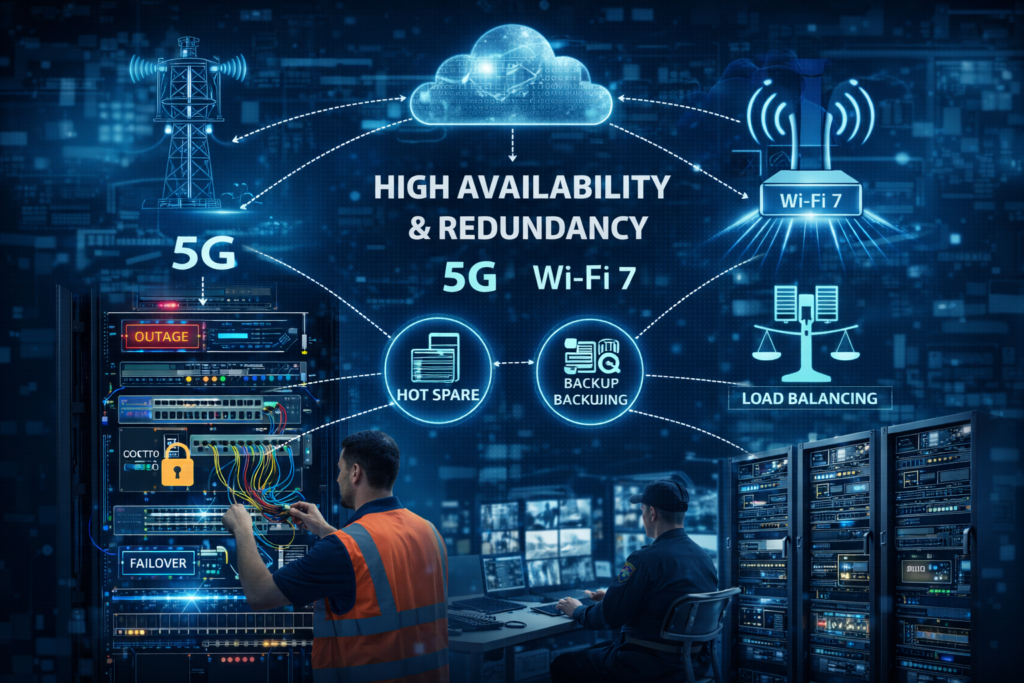
Reliability is a top priority, making features like redundancy protocols, failover systems, and load balancing essential.
In 2026, this also includes supporting new wireless standards like Wi-Fi 7 for fast, low-latency campus networks and 5G for strong connections in remote or mobile settings.
Wi-Fi 7 offers very fast speeds and better use of available bandwidth, making it ideal for places with many IoT devices.
Using this with 5G ensures smooth switching when something goes wrong, supporting edge computing where quick data processing is vital. Companies should focus on solutions with automatic testing for redundancy to keep downtime to a minimum, as even a few minutes of outage can cost thousands.
Advanced Analytics and Real-Time Monitoring
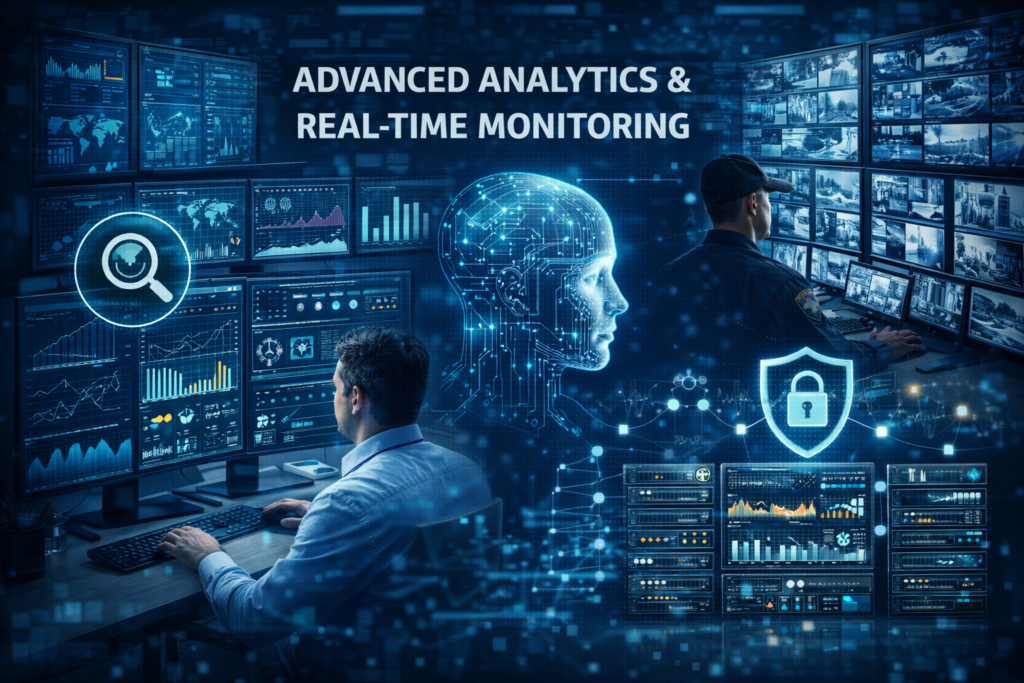
Having full visibility is essential, made possible through advanced analytics tools that offer real-time monitoring, performance data, and predictive insights.
Features such as network mapping, visualization, and integrated telemetry help spot performance issues and plan for future capacity needs.
In setups that use multiple clouds, these tools help close visibility gaps by combining data from on-premises systems, cloud services, and hybrid environments.
AI-powered troubleshooting speeds up finding the root cause of problems, shifting operations from reacting to issues to preventing them. These tools also provide security-focused visibility into network traffic, helping identify threats early and bringing together network and security teams.
Cloud-Native and Hybrid Integration
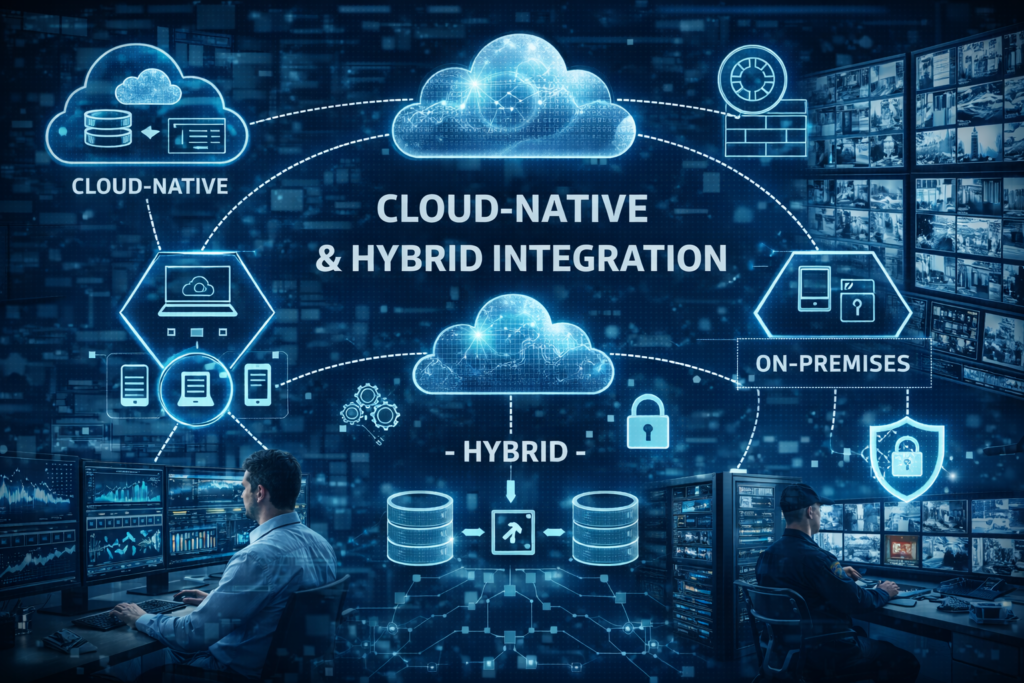
Enterprise networks must work smoothly with cloud platforms, supporting Network-as-a-Service (NaaS) models that allow for scalable, on-demand networking.
This lets businesses treat networking as a flexible service, adapting to changing needs without requiring large upfront investments.
Managing hybrid or multi-cloud environments is complex, so unified control is key.
Features such as automated setup and orchestration make this easier. In 2026, this will also involve support for AI inference, where networks handle greater data flows with minimal delay. Businesses gain cost savings and flexibility, but need strong APIs to connect different systems.
IoT and Edge Computing Support
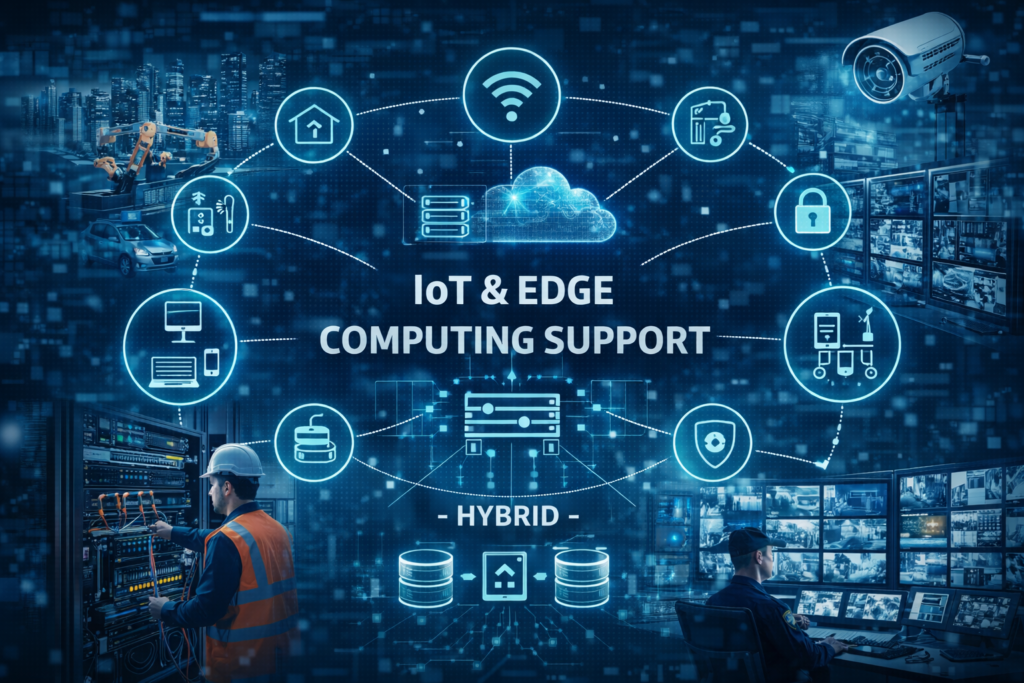
As the number of IoT devices grows, networks must include features such as secure device onboarding, traffic isolation, and edge processing.
This ensures that AI workloads can be handled quickly at the network edge. Solutions should also include support for various device communication protocols and tools to detect and respond to IoT-specific security threats.
Using edge computing reduces the need to send all data to a central location, improving efficiency in areas like manufacturing and healthcare.
Compliance and Security Automation

Built-in compliance tools automate reporting for regulations like GDPR and HIPAA, with features such as audit trails and policy enforcement.
Next-generation firewalls (NGFW) inspect encrypted traffic and use AI to detect and prevent threats.
These tools make it easier to follow regulations, reducing the need for manual work and lowering the risk of non-compliance.
Conclusion
As businesses move forward in 2026, network solutions should focus on AI automation, converged security models like SASE and Zero Trust Architecture, reliable wireless technology, and full visibility through detailed analytics.
These features not only solve current issues like managing complex hybrid clouds and dealing with cyber attacks but also help organizations prepare for future advancements. Investing in these key areas leads to stronger, more efficient networks that support business growth. In the end, the right solution lets teams focus on strategy instead of constantly fixing problems, giving companies a competitive edge in the digital world. Contact Electrocore Systems today and experience connectivity that drives real results.