

In today’s fast-paced world, effective communication is key to maintaining order, safety, and productivity in environments like schools and offices. Traditional Public Address (PA) systems, reliant on analog wiring and centralized amplifiers, are giving way to more advanced solutions. Enter IP-based PA systems, which leverage Internet Protocol (IP) networks to deliver audio announcements, emergency alerts, and background music with unprecedented flexibility and efficiency. These systems use standard Ethernet infrastructure, allowing seamless integration with existing IT networks. This blog explores the fundamentals, benefits, and applications of IP-based PA systems tailored for educational institutions and corporate settings. We’ll dive into 10 key aspects to help you understand why this technology is revolutionizing announcements and alerts.
Table of Contents
Understanding IP-Based PA Systems

IP-based PA systems represent a digital evolution of traditional audio broadcasting. Unlike analog systems that require dedicated cabling for each speaker, IP systems transmit audio data as packets over a local area network (LAN) or wide area network (WAN). This means speakers, microphones, and control units are connected via standard Cat5/6 cables or even wirelessly through Wi-Fi. At the core is a central server or software that manages scheduling, zoning, and prioritization of messages. For schools, this could mean targeted announcements to specific classrooms; in offices, it enables department-specific alerts. The shift to IP reduces installation complexity and allows for scalable expansions, making it ideal for growing organizations.
Advantages Over Traditional Analog Systems
One of the primary draws of IP-based PA is its superiority in flexibility and cost-effectiveness. Traditional systems often suffer from signal degradation over long distances and are prone to interference. IP systems, however, ensure crystal-clear audio quality regardless of distance, as data packets are error-corrected in real-time. Maintenance is simpler too—remote diagnostics via software eliminate the need for physical inspections. Energy efficiency is another plus, with PoE (Power over Ethernet) powering devices without separate electrical outlets. In schools, this means less downtime during exams; in offices, it translates to uninterrupted workflow. Overall, IP systems can cut long-term costs by up to 40% through reduced wiring and easier upgrades.
Key Components and Hardware Essentials

An IP-based PA system comprises several interconnected elements. Central to it is the IP PA controller or server, which handles audio encoding, decoding, and distribution. Networked speakers with built-in amplifiers receive and play audio directly, often supporting two-way communication for intercom features. Microphones, either desktop or handheld, connect via IP for live announcements. Additional hardware includes zone controllers for segmenting areas and integration modules for linking with fire alarms or access control. For schools, vandal-resistant speakers are common; offices might opt for sleek, ceiling-mounted designs. Software interfaces, often cloud-based, allow administrators to manage everything from a smartphone app, ensuring user-friendly operation.
Applications in Educational Environments

Schools benefit immensely from IP-based PA systems due to their dynamic needs. Morning assemblies, class change bells, and emergency evacuations can be automated and zoned—announcing recess only in playground areas, for instance. Integration with bell scheduling software ensures precise timing, reducing disruptions. In larger campuses, systems support multilingual announcements for diverse student bodies. Safety features like lockdown alerts with pre-recorded messages enhance security protocols. Teachers can use classroom intercoms for quick queries to the office, fostering a collaborative atmosphere. Case studies from urban schools show a 30% improvement in response times during drills, highlighting how IP systems promote a safer, more organized learning environment.
Tailored Solutions for Office Spaces

In corporate offices, IP-based PA systems streamline internal communications beyond basic announcements. They facilitate paging for meetings, visitor notifications, and even background music in lobbies to boost morale. Zoning allows targeted messages—HR updates to one floor, IT alerts to another—minimizing distractions. Integration with VoIP phones enables seamless transitions from calls to broadcasts. For remote workers, cloud-connected systems allow announcements via apps or email-to-audio conversions. Energy management is enhanced by scheduling low-volume music during off-hours. Offices in high-rise buildings particularly appreciate the scalability, as adding new zones is as simple as plugging in a speaker, supporting agile business growth.
Installation and Network Integration
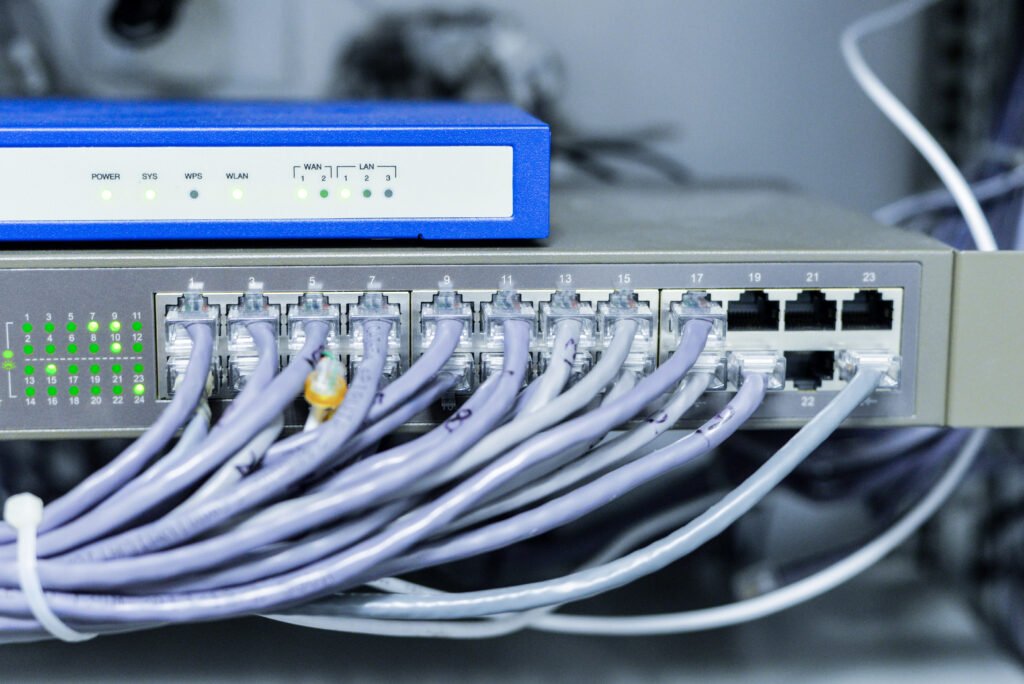
Existing Ethernet infrastructure can be reused, with PoE switches powering devices. Installation involves mounting speakers, connecting them to the network, and configuring the software for zones and priorities. In schools, this might take a weekend to avoid classes; offices can phase it in department by department. Professional installers often handle VLAN setup for security, isolating PA traffic from general data. Post-installation, training sessions ensure staff can use features like live paging, making the transition smooth and efficient.
Enhancing Functionality with Integrations
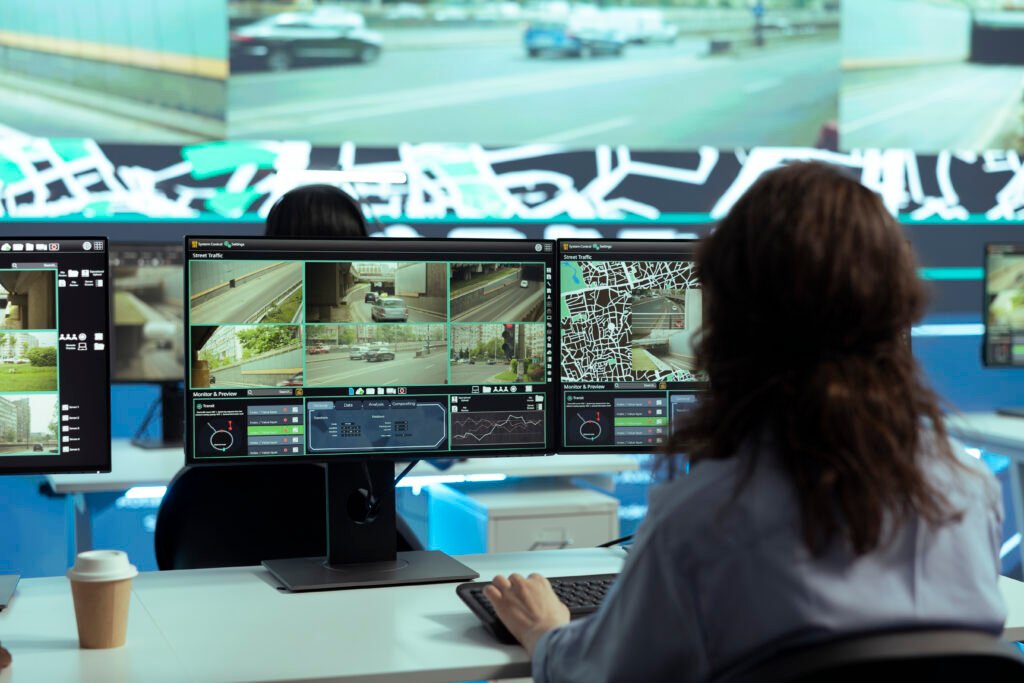
IP-based systems shine in their ability to integrate with other technologies. Linking to security cameras allows triggered announcements based on motion detection—useful for school hallways or office entrances. Fire alarm integration ensures automatic evacuation messages. In smart buildings, compatibility with IoT devices like sensors can broadcast air quality alerts. For schools, tying into attendance systems enables automated parent notifications. Offices can connect with calendar apps for meeting reminders. APIs and open protocols like SIP (Session Initiation Protocol) facilitate these connections, turning a simple PA into a comprehensive communication hub that adapts to modern demands.
Security and Reliability Considerations

Security is paramount in IP systems, given their network reliance. Encryption protocols like AES protect audio streams from interception, while firewalls and access controls prevent unauthorized use. Regular firmware updates mitigate vulnerabilities. Reliability comes from redundant servers and battery backups, ensuring functionality during power outages—critical for emergency announcements in schools. In offices, multi-factor authentication for admin access adds layers of protection. Compliance with standards like GDPR for data handling is easier with IP systems, as logs track all broadcasts. Overall, these features make IP PA more secure than analog, where physical tampering is a risk.
Cost Analysis and ROI
While initial costs for IP-based PA might seem higher—ranging from ₹4,50,000 for a small school setup to ₹45,00,000 for a large office—the ROI is compelling. Savings stem from minimal cabling (up to 70% less), lower maintenance, and scalability without overhauls. Energy-efficient components reduce utility bills, and software subscriptions often include updates. Schools can justify expenses through grants for safety tech; offices through productivity gains. A typical payback period is 2-3 years, with long-term savings from avoiding obsolete hardware. Budgeting tips include starting with core zones and expanding, ensuring cost-effective implementation without compromising quality.
Future Trends and Innovations

The future of IP-based PA systems is bright, driven by AI and 5G advancements. AI-powered voice recognition could enable hands-free announcements, while analytics track usage for optimization. 5G integration promises ultra-low latency for real-time alerts in expansive campuses. Sustainability trends favor eco-friendly, low-power devices. In schools, augmented reality integrations might overlay announcements with visual cues via apps. Offices could see AI-driven personalization, like mood-based music. Emerging standards like AV-over-IP will further blur lines between PA and AV systems. As technology evolves, IP PA will become even more intuitive, paving the way for smarter, connected spaces.
Conclusion
IP-based PA systems are transforming how schools and offices handle communications, offering flexibility, integration, and efficiency that analog systems can’t match. From zoned announcements to seamless security ties, these systems address modern challenges while preparing for future innovations. Contact ElectroCore Systems for IP system-related queries. Whether you’re an educator seeking safer classrooms or a manager aiming for productive workspaces, adopting IP PA is a forward-thinking investment. Contact ElectroCore Solutions now.
Frequently Asked Questions
An IP-based PA (Public Address) system is a communication solution that uses a network (LAN/WAN) to transmit audio announcements digitally instead of traditional wiring. It allows schools and offices to broadcast messages, alerts, and updates through IP speakers connected to the network.
An IP PA system captures audio from a microphone, phone, or software, converts it into digital data, and sends it over the network to connected speakers. These speakers decode the data and play clear audio announcements in real time across selected zones or the entire facility.
IP PA systems offer scalability, high-quality audio, centralized control, and easy integration with existing networks. They reduce cabling costs and allow administrators to manage announcements efficiently across multiple buildings or departments.
In schools, they are used for daily announcements, bell scheduling, and emergency alerts. In offices, they help with internal communication, employee notifications, and safety announcements, ensuring information reaches everyone quickly.
Yes, IP PA systems enable instant emergency broadcasts such as evacuation alerts and safety instructions. They can also integrate with fire alarms and security systems to automate alerts, improving response time and overall safety.