

In today’s world, security threats are getting more complex, and network CCTV systems have become a key part of modern surveillance.
These IP-based systems use internet protocols to send high-quality video, making it possible to watch live feeds and make decisions based on real-time data. Unlike the old analog systems, network CCTV works well with digital setups, offering easier scaling and advanced features to deal with today’s security problems. This blog covers how network CCTV has evolved and why it’s a better choice for improving safety in many areas.
Table of Contents
Network CCTV Systems
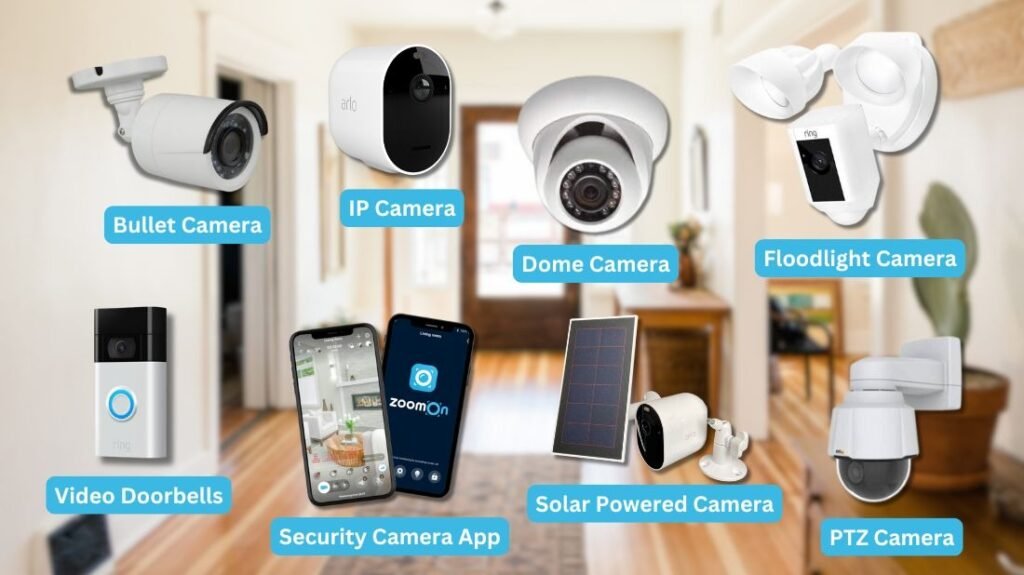
Network CCTV, also known as IP surveillance, is a new way of doing security compared to the old closed-circuit systems.
These systems use IP cameras that send video data over networks, making it easy to access from anywhere and integrate with other security tools. One big benefit is the high-quality video, with options up to 4K, which gives clear images for better identification and evidence. They also allow for managing many cameras from one place, which makes things easier to handle.
A big advantage is that they help deter crime and respond faster.
Visible cameras can discourage people from doing bad things, and features like motion detection send alerts when something happens. For businesses, this means they can have 24/7 monitoring without needing someone to watch all the time, which improves safety in risky areas. Also, network systems are easy to expand — adding more cameras doesn’t need a lot of rewiring, which helps growing companies. With things like encryption, these systems protect against unwanted access, keeping data secure. Overall, network CCTV meets modern needs by being reliable, flexible, and smart for all-around security.
Enquire About Network camera system
Why Network Cameras Over Traditional CCTV
Choosing network cameras over traditional analog CCTV comes down to better performance and being ready for the future.
Traditional systems use coaxial cables, which limits video quality to around 1080p, often leading to blurry images. In contrast, network cameras use Ethernet or wireless connections, offering 4K+ resolution for very clear images, which is important for recognizing faces or license plates.
Network cameras are also easy to scale — IP systems can grow without needing separate DVRs for each camera group, unlike analog systems. You can check video feed from anywhere using an app, which gives you real-time updates and improves how well you can monitor things.
While the initial cost might be higher (30-50% more), long-term savings from less maintenance and better efficiency make it worth it. For businesses that value clear video, making things easy, and being able to adapt, network cameras are better than traditional CCTV in every way.
Comprehensive Video Management Solutions
Video Management Systems (VMS) are the main part of IP surveillance, bringing together cameras, storage, and analytics into one platform.
Systems like Milestone XProtect and Avigilon offer tools for big businesses, connecting with access control and alarms. These systems handle high-definition video streaming, extract important details, and store video in the cloud, ensuring smooth operation.
Key features include easy-to-use interfaces for viewing live footage and playing back recordings, with options to store data on-site or in the cloud.
Scalability is important because these systems can support thousands of cameras without slowing down, which is great for large places.
Hybrid storage options — on-site for compliance and cloud for flexibility — help prevent interruptions. By connecting surveillance with other security systems, these solutions help respond to incidents faster and give better insights, turning passive watching into active protection.
Smart Features and AI-Powered Analytics
Network CCTV’s smart features improve surveillance by using AI to turn video into useful information.
Technologies like Hikvision AcuSense use deep learning to recognize people and vehicles, while ignoring false alarms from things like animals, which can cut down on unnecessary alerts by up to 90%.
Key features include facial recognition, analyzing behavior, and spotting unusual activity.
Analytics can also help with operations: retail stores can use heat maps to improve store layouts, and transportation systems can track traffic for accident alerts.
These systems learn over time, becoming more accurate as they adapt to their environment. Tools like icetana can flag events before they happen, making everything more efficient without needing extra staff. These features not only improve security but also help businesses make better decisions, making AI a must-have in modern surveillance systems.
Target Applications and Industries
Network CCTV systems are used in many different places, each with their own needs.
In retail, they help track customer movement, stop theft, and analyze behavior to improve sales. Transportation hubs like airports use them to manage crowds, check security, and find problems quickly.
In healthcare, CCTV systems help protect patients, track important equipment, and control who can enter sensitive areas.
Industrial sites use them to watch machinery and perimeters to stop accidents and stop unauthorized people from entering. Schools and universities use them for campus safety and connect with emergency systems.
In cities, public surveillance helps police stop crime before it happens. These systems’ versatility — from dome cameras in offices to tough PTZ cameras outdoors — makes them useful in many situations, improving safety and efficiency everywhere.
The Future of Video Surveillance with IP Technology
IP technology is set to change video surveillance, thanks to AI, cloud computing, and new energy-saving methods.
By 2026, AI agents will be able to spot and stop threats without human help, moving from reacting to stopping problems before they happen. Cloud-based video surveillance as a service (VSaaS) will grow, offering more storage and easier control with less need for physical equipment.
New technologies like 5G and edge AI will allow real-time video analysis with low delays, connecting with IoT devices for more complete systems.
Sustainability improvements, like energy-saving compression, will help reduce power use. Strengthening cybersecurity will protect IP networks from threats. All these changes show that IP technology is moving toward smarter, greener, and more connected surveillance.
Conclusion
Network CCTV systems are changing security with their smart features, easy scaling, and ability to work with other tools.
They outperform traditional systems and use AI to give proactive insights, meeting different industry needs while setting the stage for a future with AI-driven and cloud-based technologies. As security challenges change, using network CCTV ensures strong protection and better business operations. By adopting these systems, organizations are preparing for a safer future. Contact Electrocore Systems today and experience connectivity that drives real results.
Enquire About Network camera system
Frequently Asked Questions
A network CCTV system (also known as IP CCTV) uses internet protocol technology to transmit video data over a network instead of traditional coaxial cables. Each camera has its own IP address and can send footage to a network video recorder (NVR) or cloud storage for easy access and management.A network CCTV system (also known as IP CCTV) uses internet protocol technology to transmit video data over a network instead of traditional coaxial cables. Each camera has its own IP address and can send footage to a network video recorder (NVR) or cloud storage for easy access and management.
Network CCTV systems offer advanced features like high-definition video, remote access, and intelligent analytics such as motion detection and facial recognition. These capabilities make surveillance more proactive and efficient compared to traditional analog systems.
Yes, network CCTV systems allow users to monitor live or recorded footage from anywhere using smartphones, tablets, or computers. This remote accessibility ensures real-time monitoring and faster response to security incidents.
Network CCTV systems are highly scalable, allowing businesses to easily add new cameras without major infrastructure changes. This flexibility makes them ideal for expanding organizations or multi-location operations.
These systems enhance security through high-resolution video, encrypted data transmission, centralized monitoring, and integration with other security systems like alarms and access control. They also support real-time alerts and smart analytics for faster threat detection.