

In an era where home security is more critical than ever, homeowners in Bengaluru and across India often face a key dilemma: stick with reliable traditional locks or upgrade to modern smart locks? Traditional mechanical locks have protected homes for generations, while smart locks bring keyless entry, remote monitoring, and integration with smart home systems. But which one truly offers better safety?
At ElectroCore Systems, we specialize in smart home automation, video door phones, access control solutions, and integrated security systems that make modern living safer and more convenient. This guide dives deep into the smart lock vs traditional lock debate, examining security, convenience, vulnerabilities, and real-world performance to help you decide.
Table of Contents
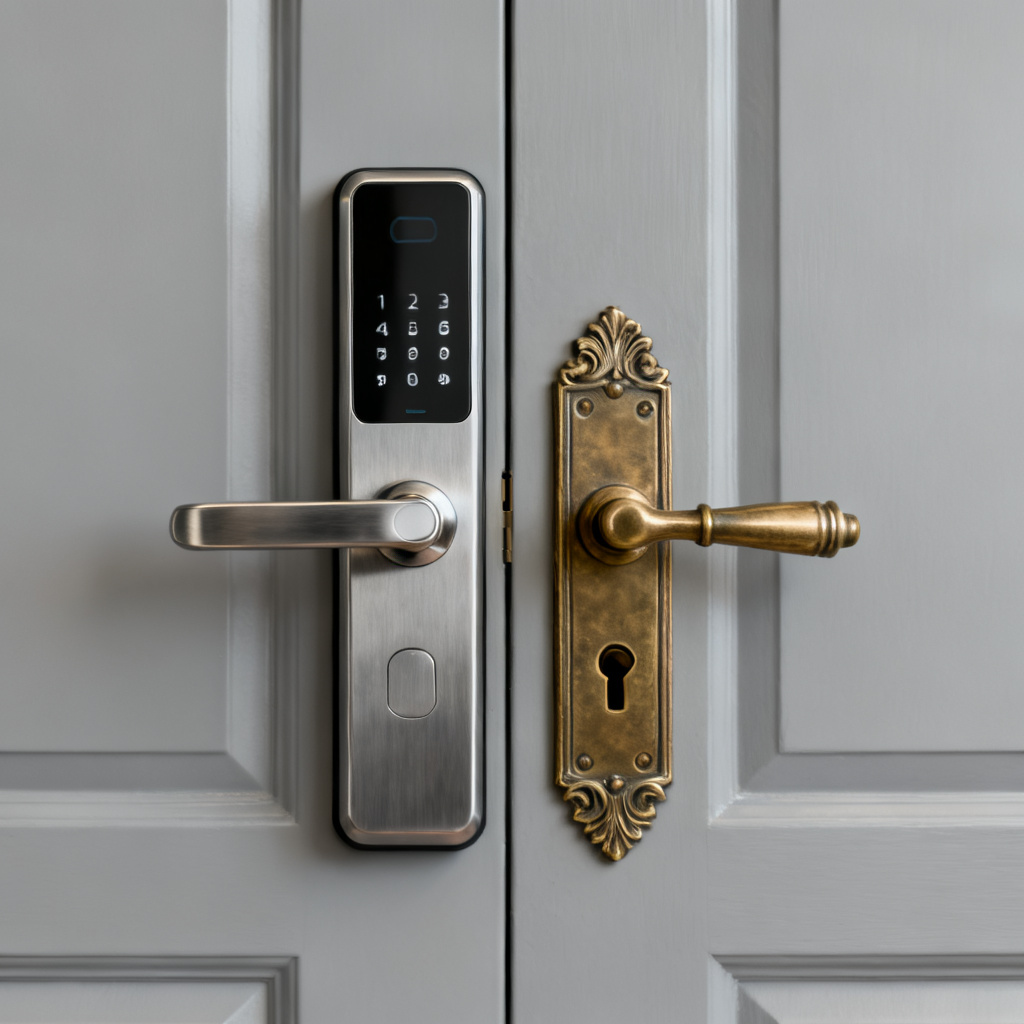
Understanding Traditional Locks
Traditional locks, typically mechanical deadbolts or cylinder locks, rely on physical keys and pins. A good quality Grade 1 or Grade 2 deadbolt (per ANSI/BHMA standards) offers solid resistance to forced entry when paired with a reinforced strike plate and solid door.
Advantages of Traditional Locks:
- No power dependency: They work flawlessly without batteries, Wi-Fi, or electricity—ideal during power outages common in some areas.
- Proven physical durability: High-quality models resist drilling, prying, and brute force effectively.
- Lower upfront cost: Affordable and easy to install or replace.
- No cyber risks: Completely immune to hacking, malware, or remote exploits.
Disadvantages:
Traditional locks have notable weaknesses. Lock picking and bumping can defeat many standard models in seconds for skilled intruders. Lost or stolen keys pose a major risk—anyone with a copy can enter undetected. There’s no way to know who accessed your home or when. Rekeying after moving or a lost key is tedious and expensive. Without integration, they offer zero remote monitoring or alerts.
In Bengaluru’s urban apartments or independent homes, a strong traditional lock provides basic deterrence, but it lacks the layered protection modern threats demand.
Understanding Smart Locks
Smart locks replace or augment the traditional deadbolt with electronic mechanisms. They support multiple access methods: PIN codes, fingerprints, RFID cards, mobile apps (via Bluetooth or Wi-Fi), and even voice commands through integration with Alexa, Google Assistant, or similar platforms.
Many models from reputable brands include built-in alarms, tamper detection, activity logs, and auto-locking features. Some feature military-grade AES-256 encryption and two-factor authentication (2FA).
Know About Smart Lock
Security Comparison: Smart Lock vs Traditional Lock
Physical Security:
Both use similar deadbolt mechanisms, so they’re equally vulnerable to kicking in a weak door or prying. However, many smart locks add tamper alerts and anti-pry sensors that trigger alarms and notifications—features traditional locks lack. High-end smart locks often match or exceed Grade 1 mechanical security while adding electronic safeguards.
Vulnerability to Common Attacks:
- Lock picking/bumping: Traditional locks are highly susceptible; experienced burglars can open many in under a minute. Smart locks with no visible keyhole (or shielded ones) reduce this risk, though physical attacks on the bolt itself remain possible.
- Key-related risks: Traditional locks suffer from duplication and loss. Smart locks eliminate physical keys for primary access, though some offer a backup mechanical key (store it securely).
- Hacking and cyber threats: This is the biggest concern for smart locks. Weak passwords, outdated firmware, or unencrypted Bluetooth can be exploited. However, reputable models use strong encryption, and successful remote hacks are rare—especially if you follow best practices. Most burglars prefer easier targets like unlocked windows over sophisticated cyber attacks. Traditional locks have zero digital risk but higher physical bypass chances.
Monitoring and Response:
Traditional locks are silent sentinels—you only know about a breach after it happens. Smart locks provide proactive defense: instant alerts let you notify police or neighbors quickly. When paired with network cameras and video door phones from providers like ElectroCore Systems, you get a complete ecosystem with two-way communication and visual verification.
Reliability in Indian Conditions:
Power fluctuations and humidity in Bengaluru can affect electronics, but quality smart locks handle this with long battery life and offline modes (Bluetooth still works locally). Traditional locks win on simplicity during extended outages.
Studies and expert opinions in 2025–2026 suggest that well-implemented smart locks often provide superior overall security due to multiple authentication factors and real-time awareness, though they don’t make your home invincible. A determined intruder might still bypass either system—security is about layers, not a single lock.
Factors to Consider Before Choosing
- Your Lifestyle: Busy professionals or families benefit hugely from smart features. Elderly users might prefer simple traditional locks or hybrid setups.
- Budget: Traditional locks are cheaper upfront. Smart locks offer better long-term value through convenience and reduced rekeying costs.
- Home Type: Apartments with shared access suit smart locks for easy code management. Standalone homes gain from integration with full security systems.
- Integration Needs: If you’re building a smart home with access control, cameras, or automation, smart locks integrate seamlessly.
- Risk Profile: In high-crime areas, combine either lock with strong doors, window sensors, and surveillance.
Many experts recommend a hybrid approach: Install a high-quality smart lock alongside a robust mechanical deadbolt for redundancy.
Best Practices for Maximum Safety
For Traditional Locks:
- Choose Grade 1 deadbolts with anti-pick pins and reinforced hardware.
- Use restricted keyways that resist duplication.
- Install strike plates with long screws into the door frame.
- Rekey or change locks after moving or losing keys.
For Smart Locks:
- Select reputable brands with AES-256 encryption, regular firmware updates, and 2FA.
- Use strong, unique app passwords and enable multi-factor authentication.
- Keep firmware and apps updated automatically.
- Monitor battery levels and replace proactively; use the mechanical backup key wisely.
- Integrate with a full system: video door phones, IP cameras, and access control for layered protection.
- Disable unnecessary remote features if not needed and segment your home network for IoT devices.
- Create unique user codes and review access logs regularly.
At ElectroCore Systems, we help Bengaluru homeowners implement these best practices through professional consultation, installation, and maintenance of smart home automation and security solutions.
Conclusion: Which is Safer?
There is no universal winner in the smart lock vs traditional lock debate the safer choice depends on how you use it. Traditional locks remain a dependable, no-frills option with strong physical security and zero digital vulnerabilities. They excel in simplicity and reliability during outages.
However, modern smart locks generally offer enhanced overall safety for most homeowners in 2026. They reduce risks from lost keys and undetected entry while providing real-time visibility and control that traditional locks cannot match. Features like tamper alerts, access logs, and seamless integration with video door phones and cameras create a proactive security layer that deters intruders more effectively.
The key isn’t choosing one exclusively but building defense in depth. A quality smart lock from a trusted provider, installed professionally and combined with solid physical hardware, surveillance, and good habits, often delivers superior protection and peace of mind compared to a standalone traditional lock.
At ElectroCore Systems we understand that home security is about more than just a lock it’s about creating an intelligent, integrated ecosystem tailored to your needs. Whether you’re upgrading to smart door locks, adding video door phones, implementing access control, or designing a complete smart home automation solution, our team provides end-to-end support with global-standard technology and local expertise.
Ready to enhance your home’s safety? Contact ElectroCore Systems today for a personalized consultation. Let us help you choose and install the right security solutions because your home deserves the smartest protection possible.
Know About Smart Lock
Frequently Asked Questions
Network solutions refer to a combination of hardware, software, and technologies designed to enable communication, data sharing, and connectivity across devices and systems within an organization. They support essential functions like file sharing, cloud access, and secure communication.
The most common types of network solutions include:
- Local Area Network (LAN)
- Wide Area Network (WAN)
- Wireless Networking
- Cloud Networking
- Software-Defined Networking (SDN)
- Virtual Private Network (VPN)
Network solutions are crucial because they enable seamless communication, improve collaboration, support cloud services, and ensure efficient data transfer. They also enhance productivity and help businesses stay connected in a digital environment.
Cloud networking provides flexibility, scalability, and remote accessibility. It allows businesses to access resources from anywhere, reduce infrastructure costs, and easily scale operations based on demand.
Security is a critical component of network solutions. Technologies like firewalls, VPNs, and intrusion detection systems help protect sensitive data, prevent unauthorized access, and ensure safe communication across networks.
Modern solutions like SDN and cloud networking allow businesses to dynamically manage network resources, optimize bandwidth, and scale infrastructure efficiently. This ensures better performance and adaptability to changing business needs.