

In today’s world, where safety is a top priority, setting up a video surveillance system for your property can give you confidence, stop possible dangers, and provide useful proof if something happens. Whether you’re protecting a peaceful home in Bengaluru or a large business area, having the right system can really help. However, with so many choices available—ranging from simple cameras to high-tech setups with AI—it can be tough to pick the best one. This guide will take you through the important steps to choose a video surveillance system that fits your needs. We’ll go over understanding your needs, looking at different system types, important features, installation advice, and legal points to consider, especially in India. By the end, you’ll have the knowledge to make a smart choice that matches your security needs, budget, and how well it works.
Table of Contents
Assessing Your Needs: The Foundation of Your Security Strategy
Before you look at the product details, take a moment to think about your specific needs. The size and setup of your home or office will determine how many cameras you need. A small apartment might work well with just a couple of indoor cameras, but a bigger place like a villa or office might need several outdoor units to cover all the important areas like doors, driveways, and the surrounding perimeter. Think about which areas you want to keep an eye on — places like front doors, garages, or backyards usually require more attention.
Your budget is also important.
Basic systems can start at a few thousand rupees, but if you go for advanced setups with high-quality cameras and cloud storage, the cost can go up to lakhs. Don’t forget about the extra expenses, like monthly fees for remote access or professional monitoring services. Also, consider how tech-savvy you are — do you prefer something easy to set up, like a wireless system, or a more reliable wired option?
The weather where you live can affect your choice too.
In places like Bengaluru, where there are both heavy rains and dry, dusty days, it’s best to choose cameras that are weatherproof, with an IP65 rating or higher, for outdoor use. If you often experience power cuts, you might want to go for battery-powered or solar-powered cameras. Lastly, think about what you want the system for — is it to stop crime, watch over kids or pets, or keep an eye on employees? A good buying guide can help you figure out what you need. By considering all these factors, you’ll get a system that works well for you without spending too much or leaving you unprotected.
Exploring Types of Video Surveillance Systems
Video surveillance systems come in many different types, each designed for specific uses. Generally, they can be divided into two main groups: wired and wireless. Wired systems usually use coaxial or Ethernet cables, which make them dependable and produce clear video without interference. However, they need professional installation because of the cabling involved. Wireless systems, on the other hand, rely on Wi-Fi, making them easier to set up and great for people who rent or don’t want to make permanent changes to their property. The downside is that they can be affected by signal problems.
Another key difference is between analog and IP (Internet Protocol) cameras.
Analog systems are cheaper and easy to set up, but they offer lower quality video. IP cameras are the more modern choice, providing high-definition or 4K video, the ability to watch from anywhere using an app, and compatibility with smart home devices like Alexa or Google Home. When it comes to storing video, you can choose between local storage, such as hard drives or SD cards, or cloud storage. Cloud storage lets you access your footage from anywhere, but it may require a subscription fee.
There are also different types of camera designs, each with its own purpose.
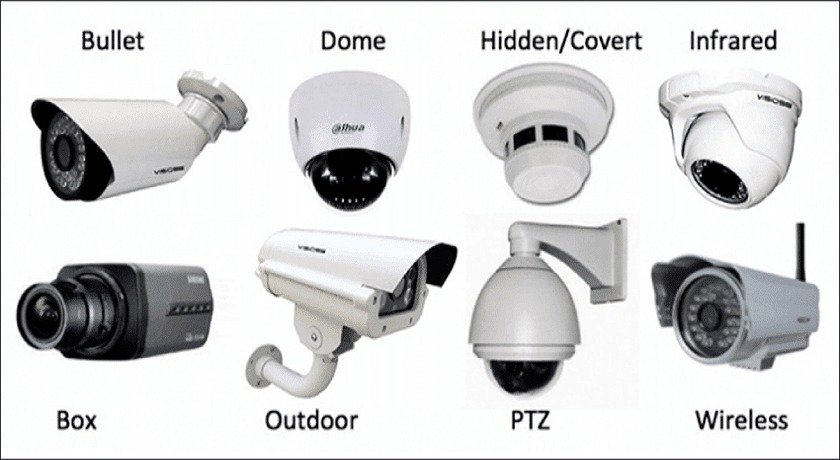
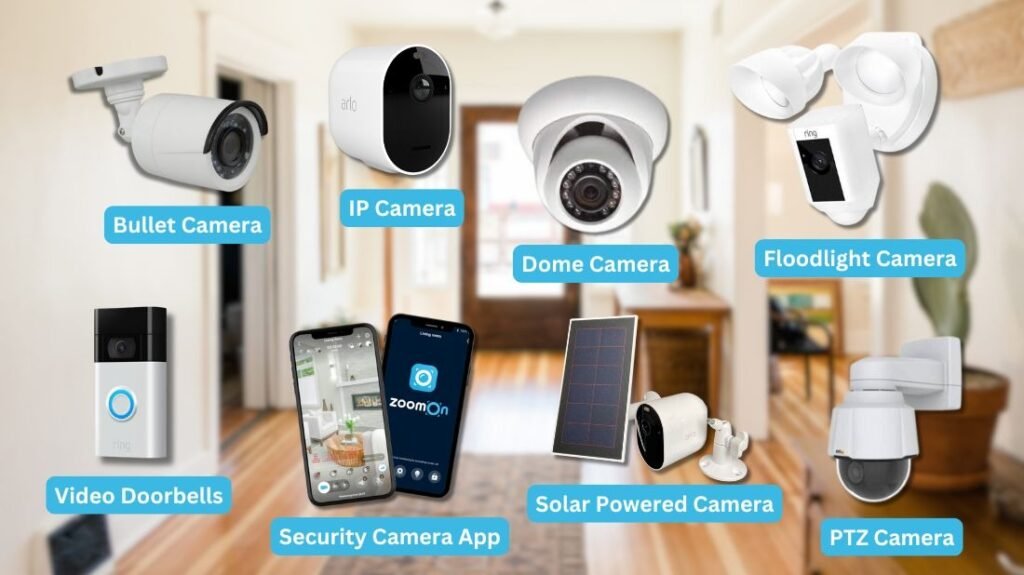
Bullet cameras are good for focusing on specific outdoor areas. Dome cameras are more discreet and are often used indoors. PTZ (pan-tilt-zoom) cameras offer wide coverage and can be controlled remotely. Video doorbells combine surveillance with a doorbell function, allowing you to see and talk to visitors. Floodlight cameras provide both security and lighting, especially useful for nighttime protection. Here’s a visual guide to help you understand the differences between these types.
For businesses, hybrid systems blending analog and digital can upgrade existing setups without a full overhaul. In India, where urban properties often have limited space, compact wireless IP cameras are increasingly popular for their ease of integration.
Key Features to Look For in a Surveillance System
Once you know what type of camera you need, focus on features that make it easier and more effective to use. Resolution is important—go for at least 1080p HD, and if you need clearer images, choose 4K for details like reading license plates. Night vision, which uses infrared LEDs, helps you see clearly even in low light, making it good for 24/7 monitoring. Motion detection with zones you can adjust helps reduce false alarms from things like moving trees or cars passing by.
AI-powered features can tell the difference between people, animals, and vehicles, and send smart alerts to your phone. Two-way audio lets you talk through the camera, which is useful for greeting visitors or warning people away.
Weatherproof construction, a wide viewing angle (at least 120 degrees), and designs that are hard to tamper with make the camera more durable.Storage and how the camera connects to your network are also important. Look for systems with enough built-in storage or cloud options that are easy to use. Battery-powered models give you more flexibility in where you can place them, especially in places without power outlets. Solar panels can keep the camera running for a long time without needing to be plugged in.
Connecting the camera to smart home systems lets you automate things, like turning on lights when motion is detected. For users in India, features like Hindi language support in the app or compatibility with local internet service providers can make the experience better. Also, choose brands that use strong data encryption to protect your footage, as security threats are becoming more common in surveillance systems.
Installation and Maintenance: Ensuring Long-Term Reliability
Installation for wireless systems can be done yourself — just mount the cameras, connect them to Wi-Fi, and set up the app. But for wired systems, it’s often better to hire professionals to manage the cables and position the cameras in a way that covers as much as possible without leaving blind spots. Place the cameras high up to prevent people from tampering with them, and angle them to cover important areas without causing glare from lights or windows.
To keep the system running well, make sure to clean the lenses regularly, update the firmware to fix security issues, and check the batteries.
Cloud-based systems take care of storing the footage automatically, but if you’re using a local setup, you’ll need to back up the data from time to time. Companies like ADT or local providers in Bengaluru can offer monitoring services for extra security. It’s a good idea to test the whole system every month to make sure everything works properly. Also, think about choosing a system that can grow with your needs if you plan to add more cameras later.
Legal Considerations for Video Surveillance in India
In India, using video surveillance needs to consider both security and people’s right to privacy. In 2017, the Supreme Court ruled in the Puttaswamy case that privacy is a basic right protected under Article 21 of the Constitution. This means that video monitoring should be fair and not too invasive. The Information Technology Act, 2000, has rules that punish taking or sharing images without permission, under Sections 66E and 72.
The Digital Personal Data Protection Act, 2023 (DPDP Act) requires people to give consent before their data is processed and also ensures that video footage is stored safely.
In residential communities, cameras can be used in shared spaces, but not in private areas like homes or bathrooms. Usually, you don’t need police approval, but it’s important to let people know about the cameras and put up signs. You should also avoid recording sound without permission, as that might break privacy laws. In workplaces, it’s necessary to inform employees about camera use. Talking to a local lawyer in Bengaluru can help ensure you follow the specific rules in Karnataka.
Conclusion
Choosing the right video surveillance system involves careful assessment of your needs, understanding types and features, and adhering to legal guidelines. By investing thoughtfully, you enhance your property’s security while respecting privacy. Start small if unsure, and scale as needed—your peace of mind is worth it. Contact Electrocore Systems today and experience connectivity that drives real results.